Designed to target pigmentation, uneven skin tone, and dullness while stimulating natural skin renewal
Avoid direct sun exposure and tanning for at least 7 days
Discontinue retinoids, exfoliants, and active skincare products 3 to 5 days prior
Do not undergo chemical peels or other laser treatments for at least 2 weeks before
Keep the skin clean and makeup-free on the day of treatment
Inform your practitioner of any history of pigmentation, sensitivity, or medical conditions
Mild redness or warmth may occur and usually subsides within a few hours
Apply calming skincare as advised by your practitioner
Avoid sun exposure and always use broad-spectrum SPF 30 or higher
Refrain from exfoliating treatments for 5 to 7 days
Keep the skin hydrated and avoid heat-based activities for 24 to 48 hours
Follow your recommended treatment intervals for best outcomes
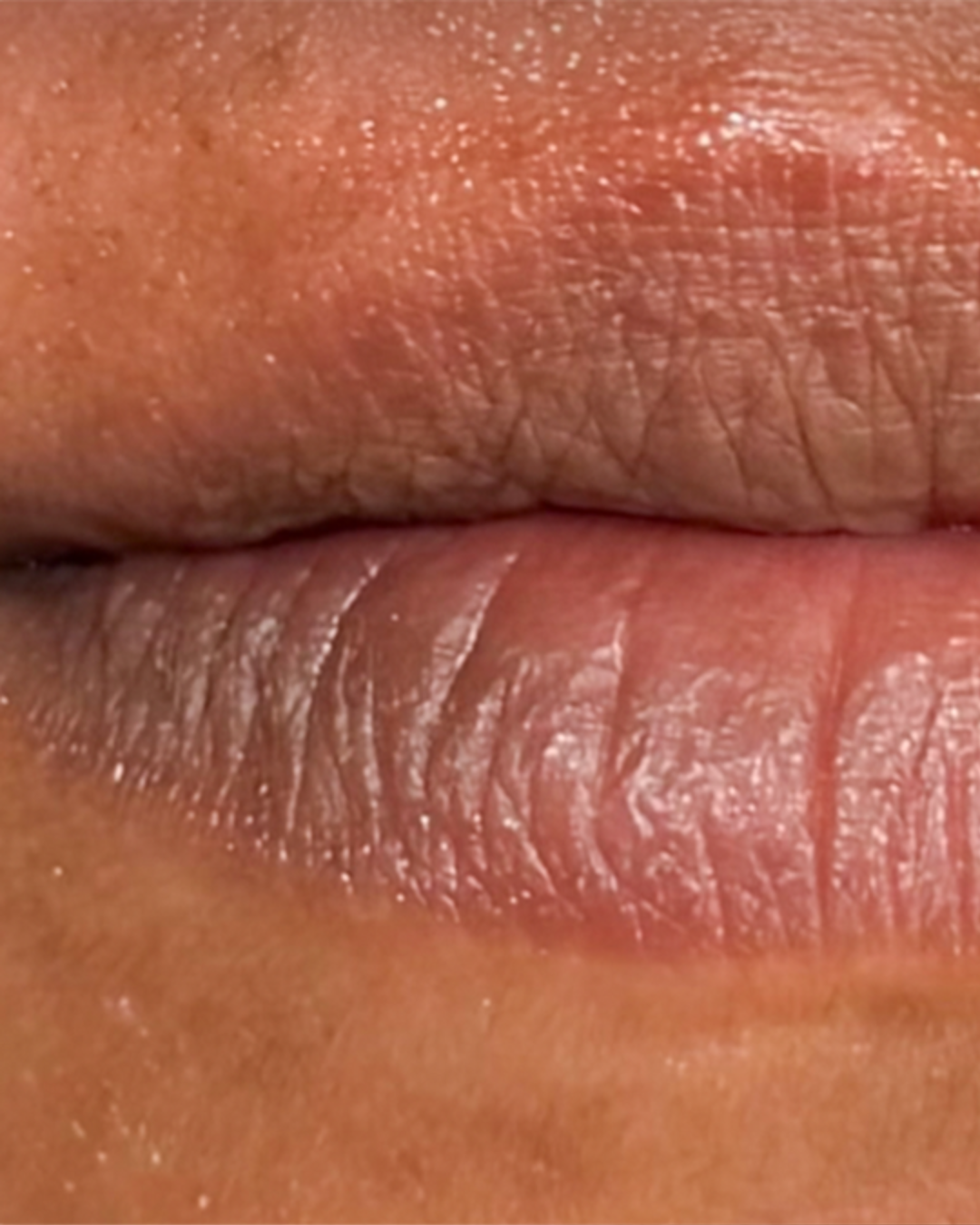
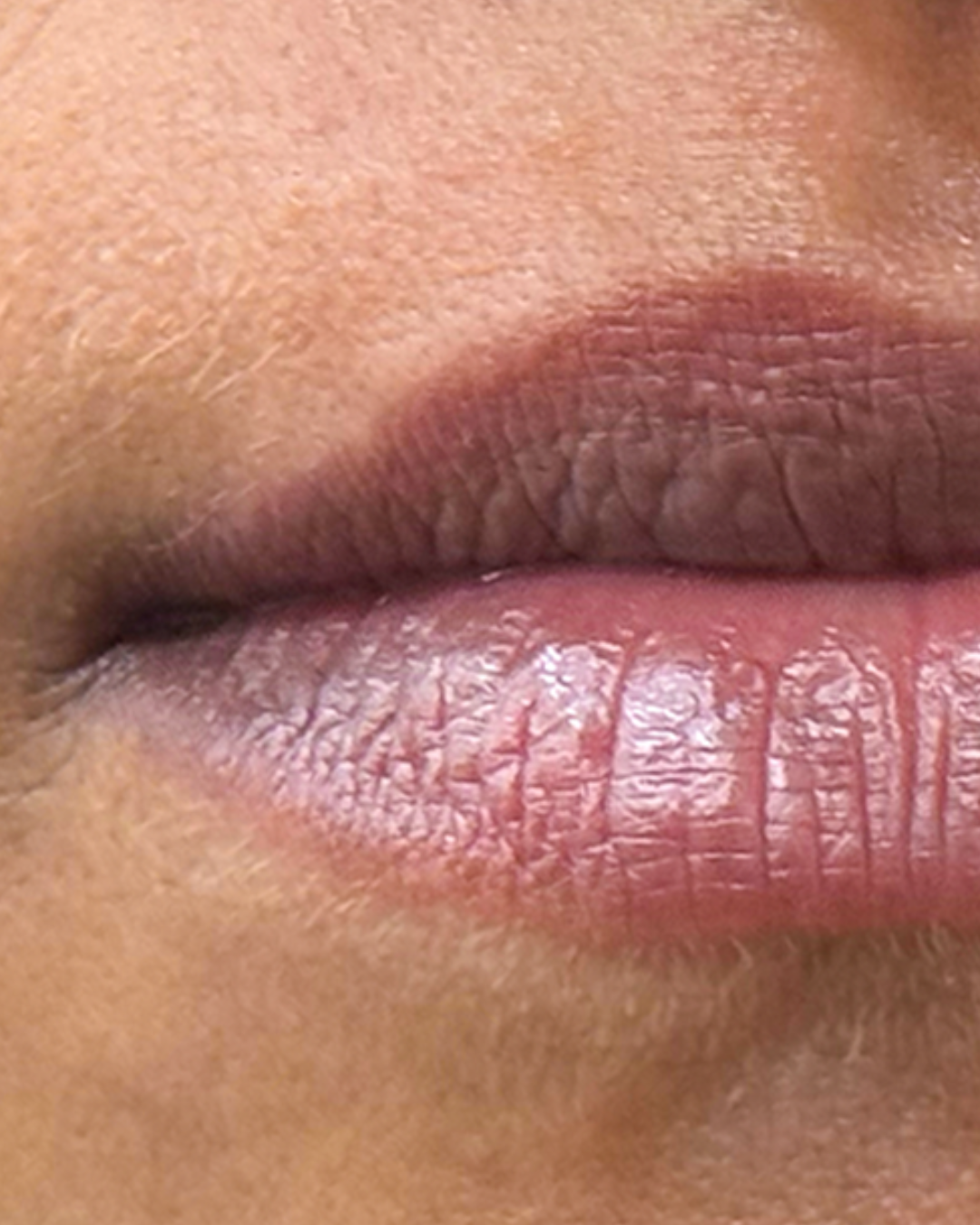
After Q-Switch laser treatment, skin appears clearer, brighter, and more even-toned. Pigmentation gradually fades as excess melanin is broken down, while collagen stimulation enhances overall skin texture and radiance. With a series of sessions, results become progressively more refined, revealing smoother, healthier-looking skin.

BeforeAfterQ-Switch is ideal for pigmentation concerns such as melasma, sun spots, freckles, uneven skin tone, and dull skin. It is also effective for overall skin brightening and rejuvenation.
Yes, when performed correctly and with customized settings, Q-Switch laser is safe for most skin types, including darker skin tones. A consultation is essential to tailor the treatment.
Most clients describe the sensation as mild tingling or snapping. A topical numbing cream may be applied for comfort if needed.
Results are cumulative. Most pigmentation concerns require multiple sessions spaced a few weeks apart for optimal and lasting improvement.
There is minimal to no downtime. Mild redness may occur but typically resolves the same day, allowing you to return to daily activities.
Some brightening may be visible after the first session, with more noticeable improvements appearing gradually over subsequent treatments.
When performed by trained professionals using proper settings, the risk is minimal. Strict adherence to sun protection and post-care guidelines is essential to prevent post-inflammatory pigmentation.