Where can PRP be applied?
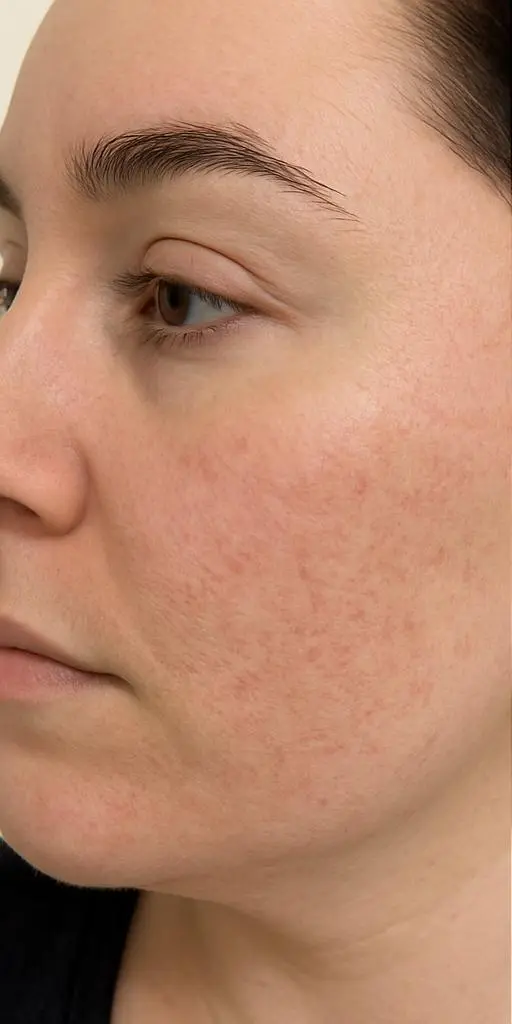
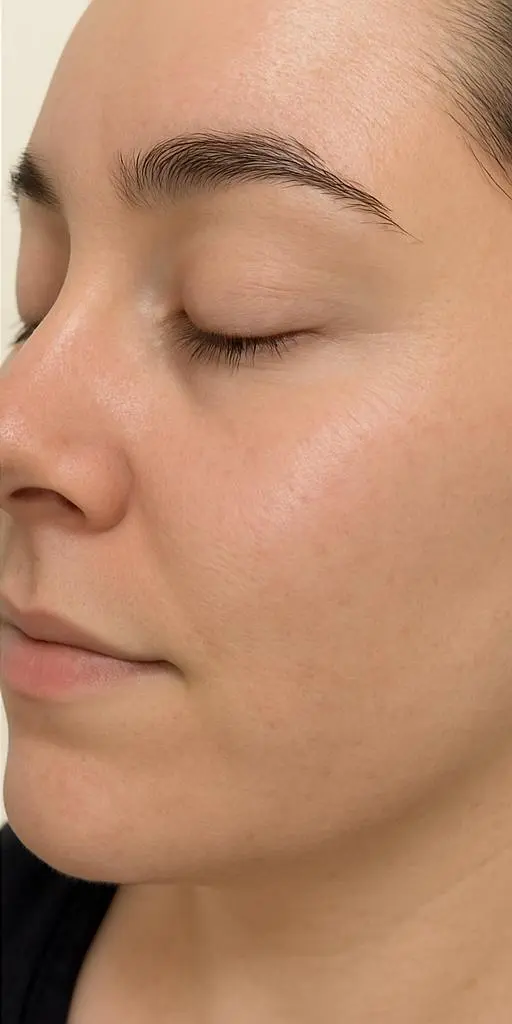
PRP can be applied to the scalp to stimulate hair growth and to various areas of the face, including the cheeks, under-eyes, forehead, and jawline, to enhance skin texture, firmness, and overall glow.
Which skin or hair types are good candidates for PRP?
PRP is suitable for all skin types and tones. It’s an excellent option for anyone experiencing fine lines, dull or uneven skin, early signs of aging, or hair thinning and shedding, especially in the early stages of hair loss.
What are the indications for PRP therapy?
PRP is commonly used to: Improve skin tone and texture, Minimize fine lines, wrinkles, and acne scars, Address dark under-eye circles, Stimulate natural hair regrowth, Strengthen weak or thinning hair, Boost collagen and elastin for firmer, smoother skin
How is PRP done?
A small amount of your blood is drawn and spun in a centrifuge to isolate the platelet-rich plasma. This golden serum is then carefully injected into the targeted facial areas or scalp using microneedling or fine injections to promote cellular repair and regeneration.
What are the advantages of PRP?
100% natural and biocompatible, Non-surgical and minimally invasive, Stimulates collagen, elastin, and hair follicle activity, Reduces signs of aging and restores youthful skin, Improves hair thickness and slows down hair loss, Little to no downtime required
How often should I get PRP treatments?
<b>Face:</b> Every 4–6 weeks for 3–4 sessions. <b>Hair:</b> Every 4 weeks for 4–6 sessions, followed by maintenance every 4–6 months
When will I see the results?
Initial improvements can be seen within 2–3 weeks, with more visible, progressive results over 4–12 weeks as collagen builds and hair follicles are stimulated.
Will the results last?
Yes! With a recommended treatment plan and proper maintenance, results can last 12–18 months for facial rejuvenation and several months for hair regrowth. Periodic maintenance sessions help extend and enhance results.
Are there any side effects?
Since PRP uses your own blood, allergic reactions are extremely rare. Mild swelling, redness, or tenderness may occur at the injection site but typically subsides within 24–48 hours.




 Skin Regeneration
 Skin Laxity
 Scars
Scars Contouring